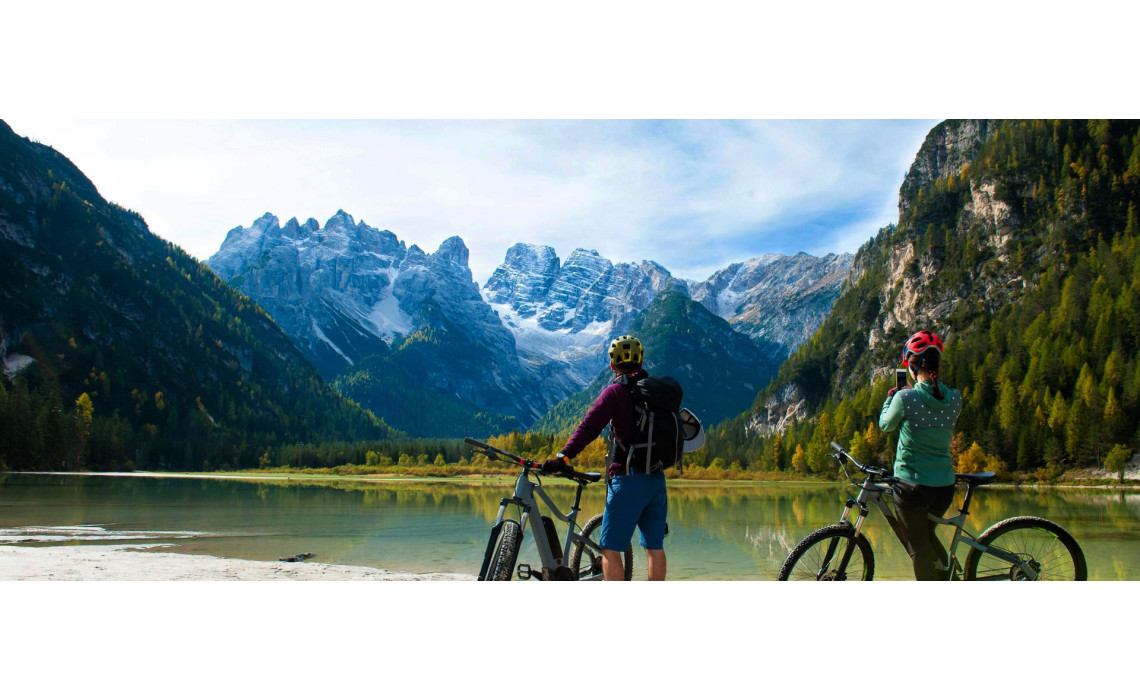
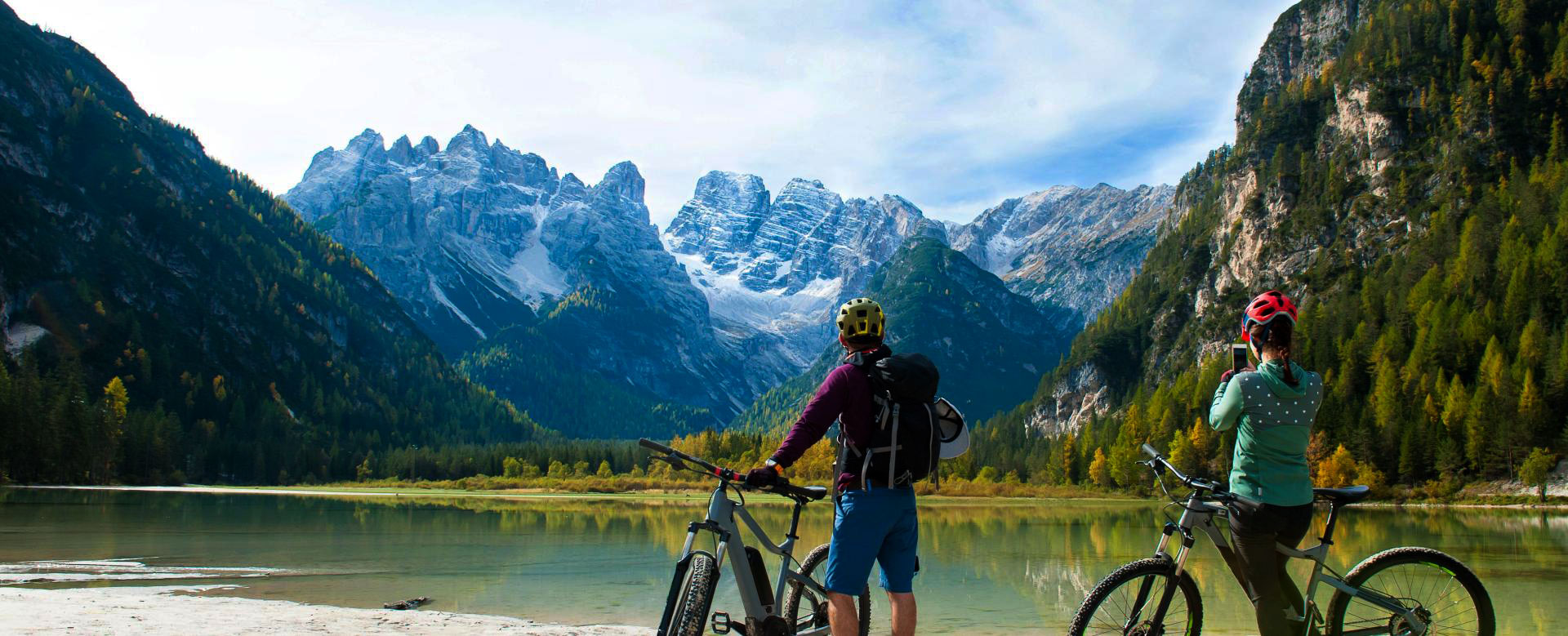
The Furka Pass was my first morning in Switzerland, and it set expectations that nothing for the rest of the week managed to disappoint. From Realp on the eastern side, the pass rises for 14 kilometres through progressively more dramatic mountain scenery until you arrive at the Rhône glacier — or what remains of it, the ice now visibly retreating year by year, wrapped in white thermal blankets in a heartbreaking attempt at preservation. The view from the top, across to the Grimsel and the Bernese Oberland, is one that rearranges the furniture in your head about what the world looks like.
The Grimsel: Switzerland's Hidden Masterpiece
If the Furka gets the postcards, the Grimsel Pass gets the cyclists. Less famous outside Switzerland, it is in many respects the superior climb — 26 kilometres of consistently excellent road from Innertkirchen, winding past a series of turquoise reservoirs and through tunnels of solid granite before cresting at 2,164 metres above the Totensee lake. The surface is, impossibly, even better than the Furka.
"Swiss roads are what happens when a country decides that infrastructure is not a cost to be minimised but a standard to be maintained. Every pothole fixed promptly, every surface repaved on schedule. For a cyclist, this attention to detail is not a luxury — it is transformative."
The Gotthard Pass — the historic route connecting northern and southern Europe — carries more traffic than the other passes but compensates with history. The old cobbled road, the Via Tremola, runs parallel to the modern tarmac and is open to cyclists. Sixteen kilometres of original 17th-century stone setts, rough and bone-juddering and absolutely spectacular. I rode it both ways — masochism, perhaps, but no regrets.
The Practical Brilliance of Switzerland
The Swiss train network means that any itinerary can be shaped creatively — ride the hard climbs, take the train through the valley. I used it three times without shame and arrived at each day's starting point fresh. The combination of cycling and public transport makes Switzerland uniquely flexible for self-guided riding.
Yes, it is expensive. The reward is that virtually nothing goes wrong, the food is excellent, and the roads make you feel as though you are riding in a commercial for cycling itself.